

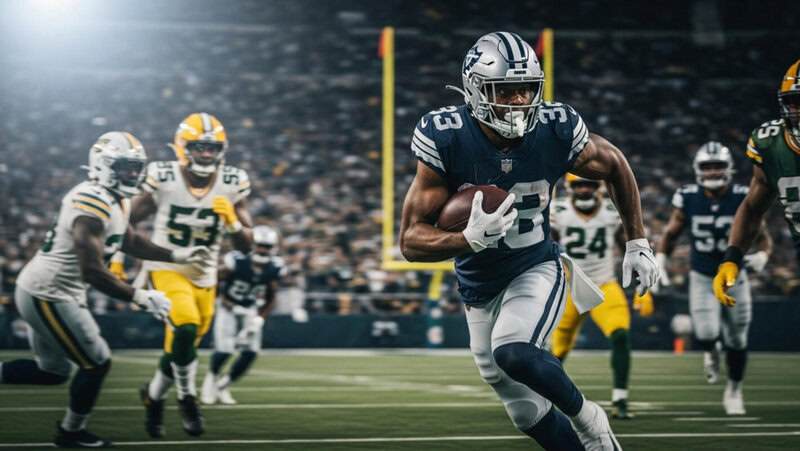
The world of professional football is as thrilling as it is demanding, with players facing intense competition, physical challenges, and constant pressure to perform. Understanding the average NFL career length offers valuable insight into the realities athletes face and the factors that influence their professional longevity. In this guide, you’ll discover what determines an NFL player’s career span, how it compares to other sports, and what it means for aspiring athletes.
The Average NFL Career Length Explained
What Determines NFL Career Length
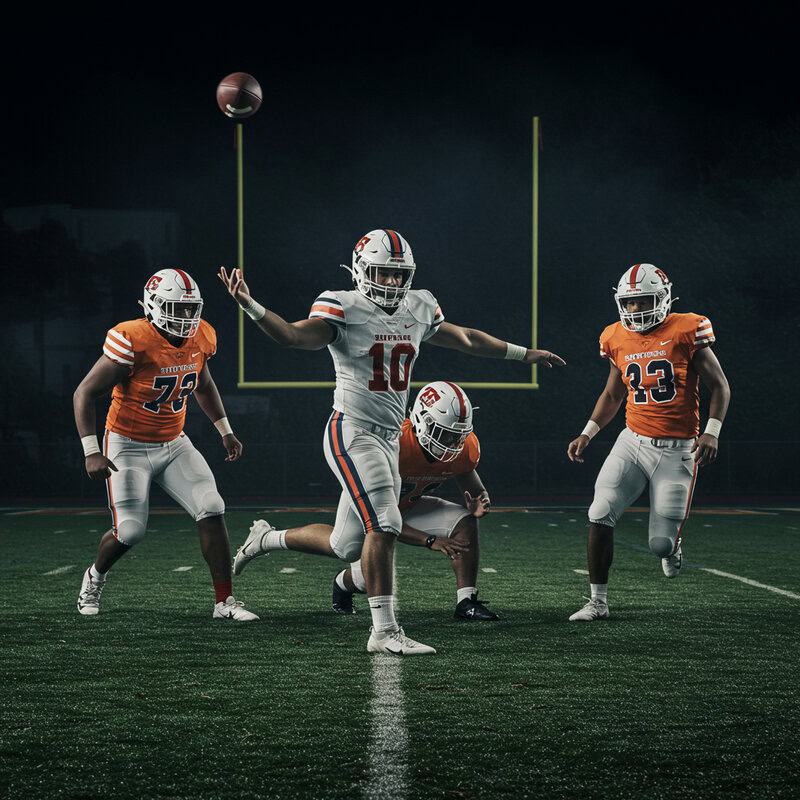
Several key factors influence how long a player remains in the NFL. Injuries are a leading cause of shortened careers, as football’s physical nature often leads to significant wear and tear. Performance is also critical—players must consistently meet high standards to retain their roster spots. Additionally, position plays a major role, with running backs typically experiencing shorter careers than quarterbacks or kickers. For further details, consult research on NFL injuries and ESPN’s analysis of career length.
The Average NFL Career Length by Position
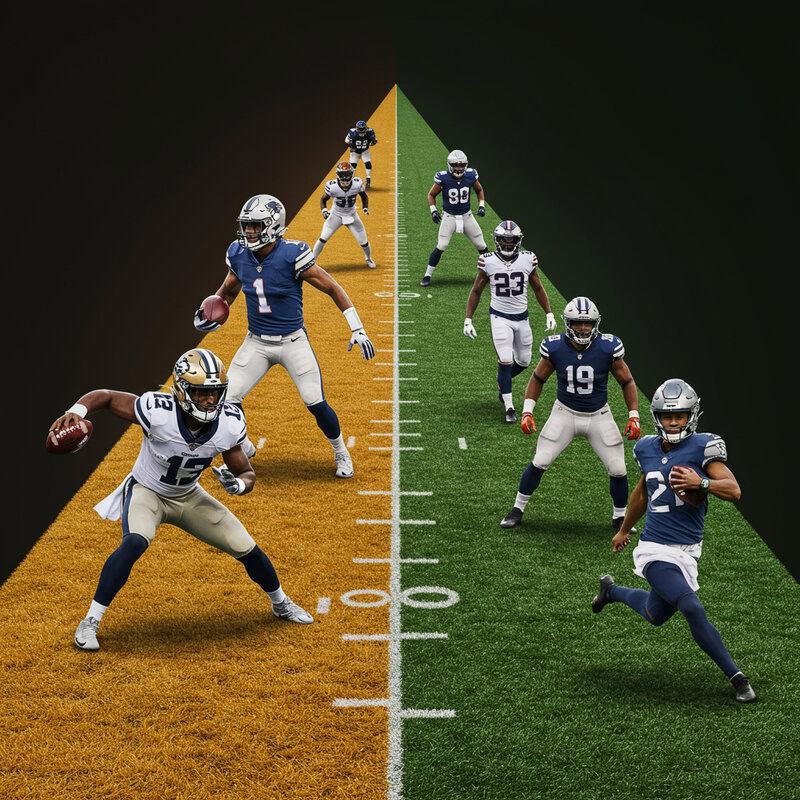
The average NFL career length varies greatly by position. Running backs typically have the shortest careers, averaging just over 2.5 years due to frequent high-impact collisions. Wide receivers and defensive backs often play around 2-3 years, while quarterbacks and kickers can last 4-6 years or more, thanks to less physical wear and specialized skillsets. These differences are mainly due to the physical demands and injury risks associated with each position. For more data, see Statista’s breakdown and NFL.com’s analysis.
Compare NFL Career Lengths to Other Sports

Compared to other major sports, NFL players generally have shorter careers. The average NFL career lasts about 3.3 years, while MLB players average around 5.6 years, and NBA players around 4.5 years. NHL athletes also tend to have longer tenures than their football counterparts. These differences are largely due to the NFL’s higher injury rates and the physical intensity of football. The constant collisions and shorter recovery times make sustained performance more difficult. For more comparisons, explore Statista’s athlete career data and ESPN’s insights.
How Players Extend Their NFL Careers
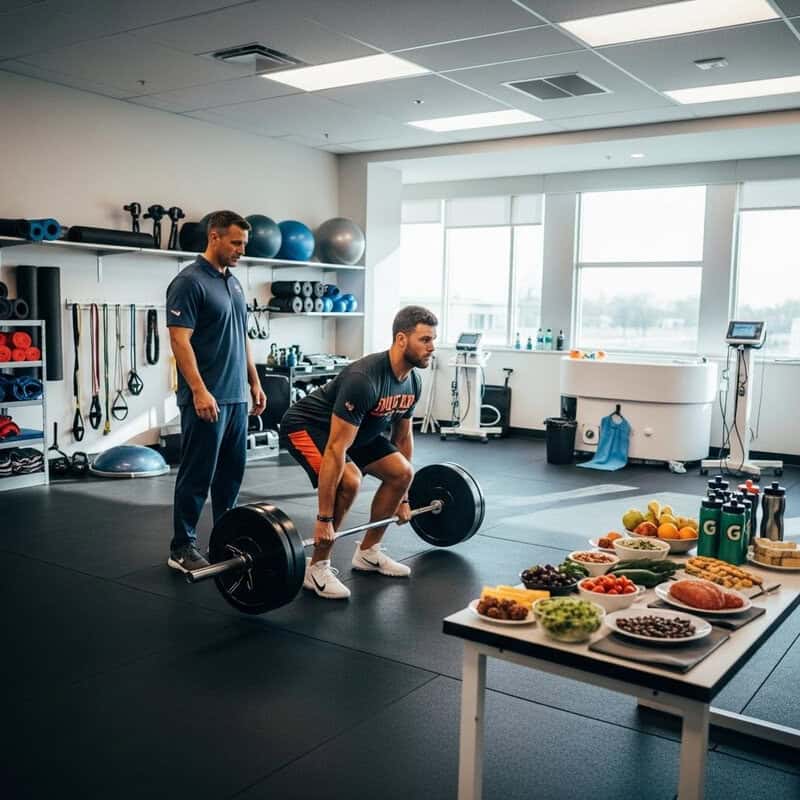
Players aiming to extend their NFL careers focus on a combination of rigorous training, effective recovery routines, and smart lifestyle choices. Many invest in year-round conditioning, personalized nutrition, and advanced physical therapy to prevent injuries. Prioritizing sleep and mental health also helps maintain peak performance. Additionally, some athletes adapt their playing style to reduce physical risks or transition to less injury-prone positions. These proactive measures can add valuable years to a career. For more on these strategies, see Sports Illustrated’s report and NFL.com’s look at longevity.
The Impact of Career Length on Life After Football

When an NFL career ends, players must navigate significant transitions, often at a young age. Financial planning becomes crucial, as the sudden loss of income can be challenging without proper preparation. Many athletes pursue new careers, entrepreneurship, or broadcasting, while others return to school or join coaching staffs. The NFL and organizations like the NFL Player Engagement program offer resources to help with education, job placement, and mental health. For more on life after football, visit NPR’s feature on post-NFL careers.
Conclusion
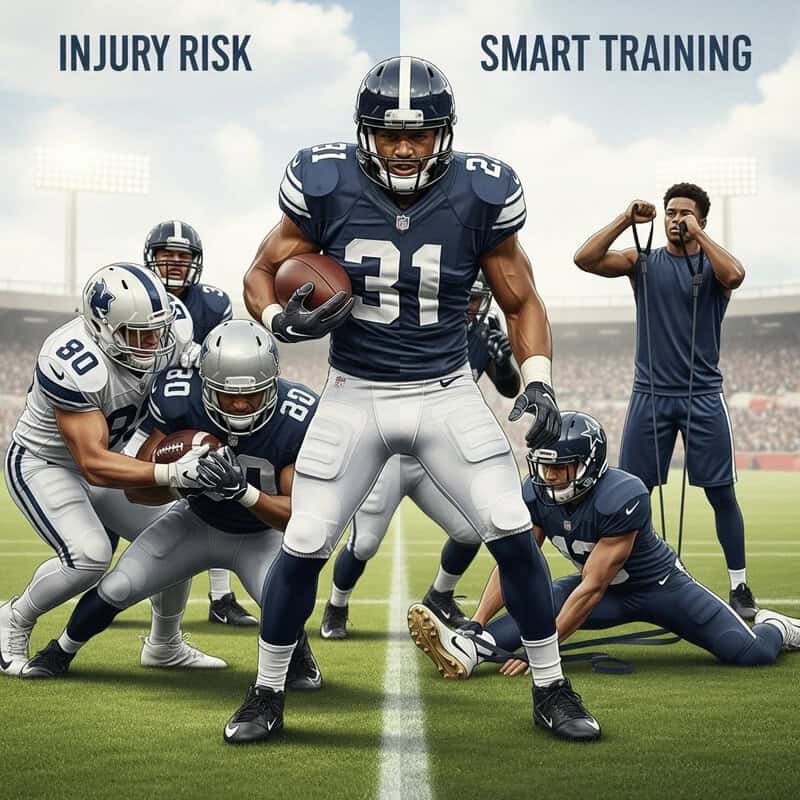
The journey of an NFL player is marked by intense competition, physical demands, and often, a brief career span. Understanding the factors that influence career length—such as position, injury risk, and personal choices—helps clarify why longevity in football is so challenging. By adopting smart training and life planning strategies, players can maximize their opportunities both on and off the field. For those interested in learning more, explore the NFL Players Association and NFL Player Lifecycle for additional resources and insights.